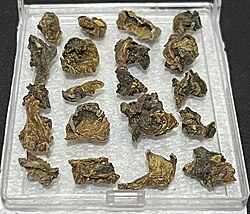
Mescaline is a naturally occurring psychedelic drug found in certain cacti, like the peyote and San Pedro cacti. It is known for causing hallucinogenic effects and is a substituted phenethylamine that works by affecting the body’s serotonin system. Common physical side effects include dilated pupils, nausea, high blood pressure, rapid heart rate, and sweating.
Chemical properties
- Chemical name: 3,4,5-trimethoxyphenethylamine
- Molar mass:
211.26 g/mol211.26 g/mol
211.26 g/mol
- Melting point:
35.5 °C35.5 °C
35.5 °C

Effects
- Psychoactive: Known for causing visual and auditory hallucinations and spiritual insights.
- Physical:
- Dilated pupils
-
- Nausea and vomiting (especially with ingestion)
-
- Increased blood pressure and heart rate
-
- Sweating and increased body temperature
-
- Duration: Effects can last for approximately 10 to 12 hours.
Dosage
- A common psychoactive dose of pure mescaline ranges from
200200
200
to
400400400
mg.
- This is equivalent to about
1010
10
to
202020
grams of dried peyote buttons, though this can vary significantly due to differences in potency.
Other information
- Peyote also contains other alkaloids like hordenine.
- The use of mescaline has been linked to poisoning, though it is uncommon.
- Historically, some Native American tribes have used peyote for its psychoactive and medicinal properties.